The HVAC industry is facing a significant shift with the upcoming EPA refrigerant regulation update in 2026. These changes, part of the Environmental Protection Agency’s ongoing effort to reduce greenhouse gas emissions and protect the ozone layer, will impact manufacturers, contractors, service providers, and consumers alike. Staying ahead of the curve by understanding the latest EPA refrigerant news, EPA refrigerant rules news, and HVAC refrigerant rule news is crucial for smooth transitions and maintaining compliance.
This comprehensive guide breaks down the essential elements of the 2026 EPA refrigerant regulations, key deadlines, and offers actionable compliance tips to help industry professionals adapt efficiently.
Why Are EPA Refrigerant Rules Changing?
Refrigerants used in HVAC systems have long been a focus for environmental regulators due to their contribution to ozone depletion and global warming. Hydrofluorocarbons (HFCs), commonly used refrigerants, are potent greenhouse gases with high global warming potential (GWP). The American Innovation and Manufacturing Act (AIM Act) mandates the EPA to phase down the production and import of these high-GWP refrigerants in favor of environmentally safer alternatives.
The 2026 update accelerates these phasedown efforts with stricter controls and expanded regulations, pushing the HVAC industry to innovate and transition toward sustainable refrigerant options.
What Are the Key Changes in the EPA Refrigerant Regulation Update 2026?
1. Accelerated Phase-Down of High-GWP HFC Refrigerants
One of the cornerstone changes in the 2026 EPA refrigerant rules is the more aggressive reduction in allowable production and import volumes of specific high-GWP HFC refrigerants. This means that manufacturers and importers will face tighter quotas, leading to decreased availability and higher prices for traditional refrigerants like R-410A and R-134a.
This phase-down aims to incentivize the adoption of next-generation refrigerants with lower environmental impacts, such as hydrofluoroolefins (HFOs) and natural refrigerants.
2. Expanded Leak Detection and Repair Requirements
HVAC systems using regulated refrigerants will be subject to enhanced servicing rules focused on leak detection and repair. The EPA now mandates more frequent leak inspections and shorter repair deadlines to reduce refrigerant emissions during system operation.
Service providers must maintain detailed records of leak inspections, repairs, and refrigerant usage, increasing accountability and compliance transparency.
3. Updated Technician Certification and Training
To ensure proper handling of new refrigerants and compliance with evolving regulations, the EPA will require technicians to undergo updated certification programs. These programs emphasize environmental compliance, safe refrigerant handling practices, and knowledge of emerging refrigerant technologies.
Certification renewal cycles may also be adjusted to maintain current industry knowledge.
4. More Stringent Reporting and Recordkeeping
The 2026 rules require businesses involved in refrigerant production, import, distribution, and servicing to enhance their reporting practices. Detailed documentation of refrigerant quantities, transfers, and disposals must be submitted regularly to EPA databases to facilitate monitoring and enforcement.
This transparency helps identify non-compliance and supports market stability during the phase-down.
5. Broader Scope of Regulated Refrigerants
Previously, some refrigerants escaped strict regulation due to lower usage or different chemical compositions. The new update broadens the scope of regulated substances, including additional HFC blends and transitional refrigerants, ensuring a comprehensive environmental approach.
What Are the Important Deadlines for Compliance?
- January 1, 2026: Implementation of new production and import limits on specific HFC refrigerants begins, restricting market availability.
- Mid-2026: Stricter servicing and leak repair requirements come into effect, requiring more frequent inspections and faster repairs.
- Throughout 2026: Updated technician certification standards and training programs must be adopted by all service professionals.
- Ongoing: Enhanced reporting and recordkeeping obligations for manufacturers, importers, distributors, and service companies.
Meeting these deadlines is essential to avoid penalties, operational disruptions, and supply chain issues.
How Will the 2026 EPA Refrigerant Rules Impact the HVAC Industry?
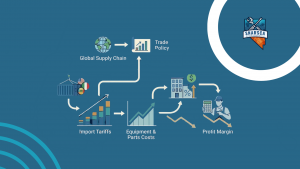
- Supply Chain Adjustments and Cost Implications: The phase-down will reduce the supply of popular refrigerants like R-410A, leading to higher prices and potential shortages. HVAC manufacturers and contractors must plan inventory and pricing strategies accordingly.
- Accelerated Adoption of Low-GWP Refrigerants: To comply with the regulations and meet market demand, companies will increasingly shift toward refrigerants with lower GWP, such as R-32, HFO blends, and natural refrigerants like ammonia and CO₂. This shift requires system redesign and new installation protocols.
- Increased Training and Certification Needs: Technician training programs will expand to cover handling of new refrigerants, emphasizing safety and environmental compliance. Businesses will need to invest in workforce development to maintain certification requirements.
- Enhanced Environmental Stewardship: The regulations drive the industry toward more sustainable practices, reducing the carbon footprint of HVAC operations and aligning with broader climate goals.
Practical Compliance Tips for HVAC Professionals
1. Stay Informed Through Reliable Sources: Regularly monitor EPA refrigerant news and industry updates to track regulatory changes and implementation details. Subscribe to newsletters, attend webinars, and participate in trade association events.
2. Train and Certify Your Workforce: Ensure all technicians receive updated certification and training aligned with the new rules. This prepares your team to handle new refrigerants safely and compliantly.
3. Transition to Approved Low-GWP Refrigerants: Evaluate your existing systems and plan phased replacement or retrofit projects using EPA-approved refrigerants with lower environmental impacts.
4. Implement Proactive Leak Detection Programs: Invest in advanced leak detection tools and adopt rigorous maintenance schedules to minimize refrigerant loss and comply with repair deadlines.
5. Maintain Accurate Records and Reporting: Develop robust documentation practices for refrigerant purchases, usage, servicing, and disposal. Accurate recordkeeping is essential for audits and regulatory compliance.
6. Communicate With Customers: Educate your clients on the benefits of low-GWP refrigerants and the importance of compliance to build trust and support sustainable practices.
The Bigger Picture: Why These Changes Matter
The 2026 EPA refrigerant rules news is more than just regulatory red tape it’s a critical step toward mitigating climate change impacts by controlling emissions from one of the largest sources of potent greenhouse gases. The HVAC industry, as a major refrigerant user, plays a vital role in this transition.
By embracing these regulations, the industry can:
- Promote innovation in refrigerant technology and HVAC system design.
- Reduce environmental harm and improve air quality.
- Secure a more sustainable future for generations to come.
Conclusion
The 2026 EPA refrigerant regulation update marks a transformative period for the HVAC sector. Understanding the key changes, adhering to deadlines, and implementing compliance strategies is essential for industry professionals. Keeping pace with EPA refrigerant news and HVAC refrigerant rule news will empower manufacturers, contractors, and service providers to navigate this evolving landscape confidently.
Embracing these regulations not only ensures compliance but also positions the industry as a leader in environmental responsibility and technological innovation.
Related FAQs
Q What is the EPA refrigerant regulation update for 2026 about?
It involves stricter limits on high-GWP HFC refrigerant production, expanded servicing requirements, updated technician certifications, and enhanced reporting rules.
Q Which refrigerants are affected by the 2026 EPA rules?
Mainly high-GWP hydrofluorocarbons (HFCs) such as R-410A, R-134a, and other similar refrigerants, including some new blends.
Q When do the new EPA refrigerant rules take effect?
Key provisions start January 1, 2026, with additional requirements phased in throughout the year.
Q How will the rules impact refrigerant availability and cost?
Production limits will reduce supply, likely increasing prices for affected refrigerants.
Q What certification changes will technicians face?
Technicians must complete updated training programs and renew certifications that cover new refrigerants and compliance procedures.
Q How can HVAC companies ensure compliance with the new rules?
By staying updated with EPA news, training staff, transitioning to low-GWP refrigerants, and maintaining thorough records.
Q Are there penalties for non-compliance with EPA refrigerant regulations?
Yes, violations can result in significant fines and legal consequences.
Q What are low-GWP refrigerants, and why are they important?
They are refrigerants with lower global warming potential, helping reduce the environmental impact of HVAC systems.
Q Will consumers be affected by the 2026 refrigerant regulations?
Yes, consumers may see higher costs for some services but benefit from more energy-efficient and environmentally friendly HVAC systems.
Q Where can I find the latest EPA refrigerant news and updates?
Official EPA websites, industry associations, HVAC trade publications, and regulatory newsletters are reliable sources.