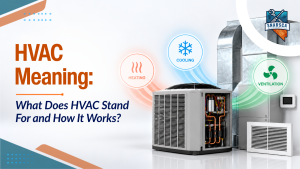
The HVAC industry is undergoing a major transformation, and much of it is driven by the AIM Act. If you’ve recently come across AIM act news or heard concerns about rising costs and refrigerant changes, you’re not alone. Homeowners and business owners alike are asking the same question: Is it really worth upgrading your HVAC system because of the AIM Act? In this blog, we’ll break down what the means, how it impacts HVAC systems, and whether upgrading now is a smart investment.
What Is the AIM Act?
The AIM Act (American Innovation and Manufacturing Act) is a U.S. regulation designed to reduce the use of hydrofluorocarbons (HFCs), which are potent greenhouse gases commonly used in HVAC refrigerants.
The law mandates a gradual phasedown of HFC production and consumption over the next 15 years. This shift is aimed at reducing environmental impact while encouraging the adoption of more eco-friendly refrigerants.
Why Is the AIM Act Making Headlines?
Recent news has highlighted several major industry changes:
- Reduction in high-GWP refrigerants like R-410A
- Introduction of new low-GWP alternatives
- Increased costs for older refrigerants
- Supply chain adjustments across HVAC manufacturing
One of the biggest concerns is the growing HVAC refrigerant shortage effect, which is already influencing pricing and availability.
Understanding the AIM Act HVAC Refrigerant Impact
The AIM Act HVAC refrigerant impact is significant and affects both existing systems and new installations.
- Rising Refrigerant Costs: As production of older refrigerants is reduced, their prices are increasing. Systems that rely on phased-down refrigerants will become more expensive to maintain.
- Limited Availability: The HVAC refrigerant shortage scenario is expected to worsen over time. This means repairs could become delayed or costly due to supply constraints.
- New Refrigerant Standards: Modern systems are now being designed to use low-GWP refrigerants, which are more environmentally friendly but may require entirely new equipment.
- Regulatory Compliance: Future regulations may restrict servicing older systems, making upgrades inevitable for some property owners.
Should You Upgrade Your HVAC System?
The decision to upgrade depends on several factors. Let’s explore when it makes sense.
Upgrade If Your System Is Older
If your HVAC system is 10–15 years old, upgrading now can help you avoid:
- Expensive repairs due to refrigerant shortages
- Inefficient energy performance
- Compliance issues with future regulations
Older systems are more vulnerable to the HVAC refrigerant impact, making replacement a proactive choice.
Upgrade If You Use R-410A or Older Refrigerants
Systems using high-GWP refrigerants like R-410A are directly affected by the AIM Act. As supply decreases:
- Costs will continue rising
- Availability will become unpredictable
Switching to a system that uses modern refrigerants ensures long-term reliability.
Upgrade for Energy Efficiency
New HVAC systems are designed with improved efficiency standards. Upgrading can result in:
- Lower energy bills
- Reduced carbon footprint
- Better indoor comfort
The is not just about compliance it’s also about encouraging smarter energy use.
Benefits of Upgrading Under the AIM Act
Upgrading your HVAC system now offers several advantages:
- Future-Proofing Your Investment
- New systems are designed to comply with evolving regulations, protecting you from future disruptions.
- Using low-GWP refrigerants reduces your environmental impact.
- Modern systems offer better temperature control, quieter operation, and enhanced durability.
- Depending on your location, you may qualify for rebates or tax incentives for upgrading to energy-efficient systems.
What to Look for in a New HVAC System
If you decide to upgrade, consider the following:
- Compatibility with low-GWP refrigerants
- High SEER (Seasonal Energy Efficiency Ratio) ratings
- Trusted manufacturer and installer
- Warranty and service support
Working with an experienced HVAC professional can help you navigate the HVAC refrigerant impact and choose the right system.
Final Thoughts: Is It Worth It?
So, is it worth upgrading your HVAC system because of the AIM Act?
Short answer: Yes especially if your system is older or relies on phased-out refrigerants.
The AIM Act is reshaping the HVAC industry, and its effects are already visible through rising costs and the growing HVAC refrigerant shortage situation. Upgrading now can help you avoid future challenges while improving efficiency and comfort. While not everyone needs an immediate upgrade, staying informed about AIM Act news and planning ahead is essential. The transition to new refrigerants is inevitable it’s just a matter of when you choose to adapt.
Related FAQs
Q
What is the AIM Act and how does it affect HVAC systems?
The AIM Act (American Innovation and Manufacturing Act) regulates the phasedown of high-global warming potential (GWP) refrigerants used in HVAC systems. Its impact includes higher refrigerant costs, limited availability, and a shift toward eco-friendly AIM Act refrigerants.
Q
What is the HVAC refrigerant shortage related to the AIM Act?
The HVAC refrigerant shortage AIM Act refers to reduced production and supply of older refrigerants like R-410A due to regulatory limits. This shortage is causing price increases and making repairs more expensive and challenging.
Q
How does the AIM Act HVAC refrigerant impact homeowners?
The AIM Act HVAC refrigerant impact on homeowners includes rising maintenance costs, potential system inefficiencies, and the need to upgrade to systems using modern refrigerants to stay compliant and cost-effective.
Q
Should I replace my HVAC system because of the AIM Act?
You should consider upgrading if your system is over 10–15 years old or uses phased-out refrigerants. New systems designed for AIM Act refrigerants are more efficient and future-proof.
Q
Which refrigerants are being phased out under the AIM Act?
High-GWP refrigerants such as R-410A and other hydrofluorocarbons (HFCs) are being gradually phased down. They are being replaced with low-GWP alternatives that meet AIM Act standards.
Q
Are new HVAC systems compatible with AIM Act refrigerants?
Yes, modern HVAC systems are specifically designed to use low-GWP AIM Act refrigerants. These systems comply with regulations and offer better energy efficiency and environmental performance.
Q
Will HVAC costs increase due to the AIM Act?
Yes, costs may rise due to the HVAC refrigerant shortage AIM Act and increased demand for new systems. Upgrading earlier can help avoid higher prices in the future.
Q
What should I do to prepare for AIM Act changes?
Stay updated with AIM Act news, schedule regular HVAC maintenance, and consult an HVAC professional to evaluate whether upgrading your system is the right decision for your property.