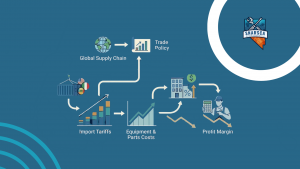
The refrigerant transition is one of the most significant changes currently shaping the HVAC industry. Driven by environmental regulations and global climate goals, the industry is gradually moving away from high global warming potential (GWP) refrigerants toward more environmentally friendly alternatives. While the transition promises long-term sustainability benefits, it is also creating noticeable shifts in HVAC equipment costs, supply chains, and installation practices.
For contractors, manufacturers, and distributors, keeping up with refrigerant transition news has become essential to understanding how these changes affect project pricing, system availability, and long-term planning.
This article explores the current state of the HVAC refrigerant transition, why it is happening, and how it is influencing equipment costs across the industry.
Understanding the Refrigerant Transition
The refrigerant transition refers to the industry-wide shift from traditional refrigerants like R-410A toward low-GWP alternatives such as R-32 and R-454B.
This transition is largely driven by environmental regulations that aim to reduce the production and consumption of hydrofluorocarbons (HFCs). HFC refrigerants, while efficient for cooling applications, have been identified as contributors to climate change due to their high global warming potential. As a result, regulators and manufacturers are moving toward refrigerants with significantly lower environmental impact.
However, transitioning to new refrigerants involves equipment redesign, safety updates, technician training, and manufacturing adjustments, all of which contribute to changes in HVAC system costs.
Why the Refrigerant Transition Is Happening
The refrigerant transition is part of a broader global effort to reduce greenhouse gas emissions and improve energy efficiency in cooling systems. Many countries have adopted environmental policies aimed at reducing the climate impact of refrigerants used in air conditioning and refrigeration systems. These policies encourage manufacturers to adopt refrigerants with lower global warming potential while maintaining system efficiency and reliability.
Key goals of the transition include:
- Reducing climate impact from HVAC systems
- Encouraging adoption of low-GWP refrigerants
- Improving overall system efficiency
- Aligning global environmental standards
While these goals are widely supported across the industry, the path to achieving them involves significant investment and operational adjustments.
How the Refrigerant Transition Is Affecting Equipment Costs?
One of the most discussed aspects of recent hvac refrigerant transition news is its effect on equipment pricing. Several factors are contributing to higher costs.
1. New System Designs
Low-GWP refrigerants often have different pressure characteristics and safety classifications compared to older refrigerants. For example, many of the new alternatives fall under the A2L refrigerant classification, which means they are mildly flammable. This requires additional safety measures in system design.
Manufacturers must redesign equipment components such as:
- Compressors
- Heat exchangers
- Sensors and controls
- Leak detection systems
These engineering changes increase manufacturing complexity, which can raise the cost of new HVAC equipment.
2. Manufacturing Adjustments
Switching to new refrigerants requires manufacturers to modify production lines, update testing procedures, and ensure compatibility with the new refrigerant properties.
Manufacturing facilities may need to invest in:
- New production equipment
- Updated safety standards
- Research and development
- Certification and compliance processes
These investments are often reflected in the final price of HVAC systems as companies work to recover development costs.
3. Supply Chain Realignment
Another important aspect highlighted in refrigerant transition news is the impact on supply chains. Manufacturers must secure reliable supplies of new refrigerants and compatible components, which can create temporary supply disruptions. During early transition periods, limited availability of certain materials or components may lead to price fluctuations. Distributors and contractors may also need to adjust inventory strategies as older equipment is phased out and new models become available.
4. Technician Training and Certification
The refrigerant transition is not only a technological change but also a workforce transformation. Technicians must be trained to safely handle new refrigerants and understand updated system requirements.
Training programs often include:
- Updated safety protocols
- Refrigerant handling procedures
- Leak detection methods
- System installation practices
Although training improves safety and system reliability, it can add operational costs for contractors who need to upskill their workforce.
5. Compliance with Updated Building Codes
As part of the refrigerant transition, building codes and safety standards are evolving to accommodate new refrigerants. Industry organizations and regulatory bodies are working to update installation guidelines and safety codes to ensure systems using new refrigerants operate safely and efficiently. Contractors may face additional compliance requirements, which can affect installation timelines and project costs.
Refrigerant Transition Reconsideration: Industry Concerns
While most stakeholders agree on the need for environmentally responsible refrigerants, some groups have raised concerns about the speed and complexity of the transition.
Discussions around refrigerant transition reconsideration often focus on issues such as:
- Supply chain readiness
- Technician training availability
- Equipment cost increases
- Market adaptation timelines
Industry associations and contractors have emphasized the importance of a balanced approach that ensures environmental goals are met without placing excessive burdens on businesses or consumers.
Long-Term Outlook for HVAC Equipment Costs
Although the refrigerant transition may increase equipment costs in the short term, many experts believe prices will stabilize as the market adapts. As manufacturers scale production of new refrigerant systems and supply chains become more established, equipment costs are expected to gradually normalize.
In the long run, the transition could even lead to cost savings through:
- Higher energy efficiency
- Improved system performance
- Reduced environmental compliance risks
For contractors, staying informed about hvac refrigerant transition news will be essential to planning future investments and advising customers about equipment choices.
Preparing for the Refrigerant Transition
HVAC professionals can take several steps to adapt to the changing landscape:
- Stay updated on regulatory developments and refrigerant transition news
- Invest in technician training for new refrigerants
- Work closely with manufacturers and distributors
- Educate customers about upcoming equipment changes
Proactive preparation can help contractors navigate the transition more smoothly while maintaining service quality and business profitability.
Conclusion
The refrigerant transition represents a major shift in the HVAC industry, driven by environmental goals and evolving regulatory frameworks. While the transition is expected to deliver long-term sustainability benefits, it is also influencing equipment costs, manufacturing processes, and contractor operations.
By understanding the factors behind rising prices and keeping up with refrigerant transition news, HVAC professionals can make informed decisions and prepare their businesses for the next generation of cooling technologies.
Related FAQs
Q What is the refrigerant transition in the HVAC industry?
The refrigerant transition refers to the shift from high-GWP refrigerants to environmentally friendly alternatives with lower climate impact.
Q Why is the refrigerant transition happening?
The transition is driven by environmental regulations and global initiatives aimed at reducing greenhouse gas emissions from HVAC systems.
Q How is the refrigerant transition affecting HVAC equipment costs?
Equipment costs may increase due to system redesigns, manufacturing adjustments, safety requirements, and supply chain changes.
Q What refrigerants are replacing traditional HVAC refrigerants?
Common replacements include low-GWP refrigerants such as R-32 and R-454B.
Q What does refrigerant transition reconsideration mean?
Refrigerant transition reconsideration refers to industry discussions about adjusting timelines or implementation strategies to address challenges related to cost, safety, and supply chains.
Q Will HVAC equipment become cheaper after the refrigerant transition?
Costs may stabilize over time as manufacturers scale production and supply chains adapt to the new refrigerants.
Q How can HVAC contractors prepare for the refrigerant transition?
Contractors can prepare by staying informed about refrigerant transition news, investing in technician training, and adapting to new regulatory and safety requirements.