Sustainability in HVACR is no longer a future goal it’s a present-day priority a core part of HVAC sustainability. As the industry moves toward environmentally responsible solutions, members of the Southern Nevada Air Conditioning Refrigeration Service Contractors Association (SNARSCA) are quietly shaping the next generation of sustainable HVAC practices.
While not every sustainable shift makes headlines, many SNARSCA professionals are embracing subtle yet impactful strategies that collectively support energy efficiency, long-term system performance, and community well-being including sustainable HVAC solutions.
What SNARSCA Members Are Doing Differently
Raising the Bar Through Ongoing Technician Education
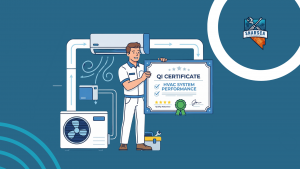
At the heart of sustainable HVACR is knowledge. SNARSCA actively supports technician training and continuing education, ensuring that its members stay informed about best practices in system design, installation, and service including HVAC sustainable design. These efforts help:
- Minimize energy waste through proper system diagnostics.
- Reduce environmental impact by promoting up-to-date service methods.
- Align workforce skills with evolving regulatory standards.
Through industry-led seminars and access to certified instructors, SNARSCA strengthens sustainability at the foundational level its workforce.
Focusing on Proper Installation and System Sizing
Incorrect installation or system oversizing can lead to unnecessary energy use and premature equipment failure. Many SNARSCA professionals emphasize:
- Accurate load calculations.
- Proper airflow balancing.
- Correct refrigerant charging and ductwork sealing.
By prioritizing installation quality, these contractors help customers achieve greater energy efficiency while reducing their environmental footprint over time, especially when implementing sustainable HVAC systems in commercial buildings.
Championing Preventive Maintenance as a Sustainability Tool
Preventive maintenance isn’t just about system performance, it’s a strategic step toward sustainability and a cornerstone of many sustainable HVAC solutions. SNARSCA members often educate clients about the environmental and cost-saving benefits of:
- Regular filter changes and coil cleaning.
- Early detection of leaks or airflow restrictions.
- Extending equipment life to reduce landfill waste.
These simple measures reduce the energy burden of HVAC systems while minimizing the need for early replacements.
Encouraging Awareness of Eco-Friendly Refrigerant Use
While SNARSCA does not endorse specific refrigerants, its professionals are aware of ongoing industry transitions to lower-GWP (Global Warming Potential) alternatives. Many contractors are already participating in refrigerant management programs that:
- Recover and recycle existing refrigerants responsibly.
- Stay compliant with EPA and state-level guidelines.
- Educate end-users on future-ready options as regulations evolve.
These efforts play a quiet but critical role in reducing HVACR’s impact on climate change.
Contributing to Community-Based Sustainability
Sustainability also means serving the community responsibly. One of SNARSCA’s notable contributions is the “Mission Cool Off” program, where members donate air conditioning units to families in need. While not a traditional “green” program, it reflects the broader goal of ensuring comfort and well-being without wasteful or excessive resource use.
This local impact approach demonstrates how sustainability can also mean people-first practices.
Aligning Industry Progress with Local Action
Sustainability in HVACR isn’t driven by one big change it’s the result of consistent, informed decisions made across every service call, install, and repair. SNARSCA members, while diverse in their operations, are united by a shared commitment to:
- High-quality workmanship.
- Technician integrity and professionalism.
- Ongoing learning and adaptation to industry shifts.
These values help foster a more efficient, responsible, and environmentally conscious HVACR industry.
Final Thoughts
The path to sustainability in HVACR doesn’t require dramatic reinvention it requires steady leadership, skilled labor, and a clear focus on doing the right thing, every time. SNARSCA members continue to lead by example, not through marketing hype, but through daily decisions that benefit both their customers and the environment.
Related FAQs
Q What does sustainability actually mean in the HVACR industry today?
Sustainability in HVACR goes beyond energy-efficient equipment. It includes proper system design, responsible installation, preventive maintenance, refrigerant management, and workforce education aimed at reducing energy waste, extending system life, and lowering environmental impact over time.
Q Can HVAC sustainability improvements be made without replacing existing systems?
Yes. Many sustainability gains come from correct system sizing, improved airflow, preventive maintenance, and better installation practices. These measures can significantly improve efficiency without requiring full system replacement.
Q How does technician training impact HVAC energy efficiency?
Well-trained technicians are better equipped to diagnose issues, perform accurate load calculations, and follow best installation and service practices. This directly reduces energy waste, improves system performance, and supports long-term sustainability.
Q Why is proper HVAC system sizing important for sustainability?
Oversized or incorrectly installed systems consume more energy, wear out faster, and increase operational costs. Proper sizing ensures efficient performance, reduces strain on equipment, and minimizes unnecessary environmental impact.
Q Is preventive HVAC maintenance really connected to environmental sustainability?
Yes. Preventive maintenance helps systems run efficiently, prevents premature failures, and extends equipment lifespan. This reduces energy consumption and limits the amount of HVAC equipment that ends up in landfills.
Q How do refrigerant choices affect the environmental impact of HVAC systems?
Refrigerants with high Global Warming Potential (GWP) can significantly contribute to climate change if not handled properly. Responsible recovery, recycling, and compliance with evolving regulations help reduce the environmental risks associated with refrigerant use.
Q Does community-focused HVAC work contribute to sustainability?
Sustainability isn’t only about technology it also involves responsible resource use and social impact. Community-based HVAC initiatives support comfort and well-being while avoiding unnecessary waste, reflecting a broader, people-centered approach to sustainability.