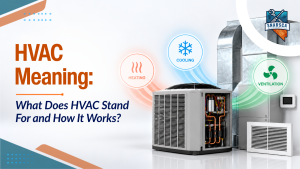
Air quality has become one of the most important environmental concerns in the modern world. As pollution levels rise and climate awareness increases, governments are introducing strict laws to protect the environment. One of the most important environmental laws in the United States is the United States Clean Air Act. This law has played a major role in reducing air pollution and shaping industries that directly impact the environment, including the HVAC sector.
Today, HVAC systems are not just about comfort. They are also about energy efficiency, sustainability, and reducing harmful emissions. Because of this, the HVAC industry is undergoing a major transformation driven by environmental regulations.
What Is the Clean Air Act?
To understand its impact, we first need to answer what is the Clean Air Act. The Clean Air Act is a federal law in the United States designed to control air pollution on a national level. It regulates emissions from industries, vehicles, and chemical products that can harm the environment and human health. It sets standards for air quality and requires industries to reduce pollutants such as carbon monoxide, nitrogen oxides, and harmful refrigerants. The U.S. Clean Air Act is considered one of the strongest environmental protection laws in the world. It has been updated multiple times to address new environmental challenges.
When Was the Clean Air Act Passed?
Many people ask when was the Clean Air Act passed. The original law was passed in 1963, but it became much stronger after major amendments in 1970, 1977, and 1990. These updates expanded its scope and introduced stricter pollution control standards. Each update made the law more effective in addressing modern environmental problems, especially industrial emissions and ozone depletion.
Clean Air Act Targets and Environmental Goals
The Clean Air Act target is to reduce air pollution and protect public health by controlling harmful emissions.
Its main goals include:
- Improving air quality across cities and industries
- Reducing greenhouse gas emissions
- Protecting the ozone layer
- Promoting cleaner industrial technologies
- Encouraging energy efficiency
These targets directly affect industries that use large amounts of energy, especially heating, ventilation, and air conditioning systems.
How the Clean Air Act Impacts HVAC Systems
The Clean Air Act HVAC regulations have had a strong influence on how heating and cooling systems are designed and operated. HVAC systems traditionally used refrigerants and energy processes that contributed to environmental damage. However, due to stricter rules, companies are now required to adopt cleaner technologies.
Key changes in HVAC due to this law include:
- Replacement of harmful refrigerants with eco-friendly alternatives
- Improved energy efficiency standards
- Better system design to reduce emissions
- Increased focus on sustainable cooling solutions
These changes are making HVAC systems more environmentally friendly and energy efficient.
Green Innovation in HVAC Technology
One of the biggest outcomes of environmental regulation is innovation. Because of the United States Clean Air Act, companies are investing heavily in green HVAC technologies.
Modern HVAC systems now include:
- Smart energy-saving controls
- Low-emission refrigerants
- High-efficiency compressors
- Automated climate control systems
These improvements not only reduce environmental impact but also lower electricity costs for users. The shift toward greener technology is no longer optional. It is now a standard requirement in most new HVAC systems.
Why HVAC Industry Is Changing
The HVAC industry is one of the largest energy-consuming sectors in buildings. It accounts for a significant portion of electricity usage in homes, offices, and commercial spaces. Because of this, regulators focus heavily on HVAC systems when setting environmental policies. The U.S clean air act forces manufacturers to rethink how systems are built. Instead of focusing only on cooling or heating performance, companies must now balance performance with environmental responsibility.
This shift is leading to smarter, cleaner, and more efficient HVAC designs.
Challenges for HVAC Companies
While the changes are positive for the environment, they also create challenges for manufacturers and service providers.
Some key challenges include:
- High cost of upgrading old systems
- Research and development expenses
- Training technicians for new technologies
- Compliance with changing regulations
Smaller companies often find it difficult to keep up with evolving standards. However, government support programs and incentives are helping businesses transition more smoothly.
Future of HVAC Under Environmental Laws
The future of HVAC systems will continue to be shaped by environmental regulations like the Clean Air Act HVAC guidelines.
We can expect:
- Fully electric HVAC systems
- Zero-emission refrigerants
- Smart AI-based energy optimization
- Integration with renewable energy systems
As environmental rules become stricter, HVAC systems will become more advanced, efficient, and sustainable. The focus will shift from just comfort to long-term environmental impact.
Conclusion
The United States Clean Air Act has played a major role in transforming the HVAC industry. From reducing harmful emissions to encouraging green technology, it has changed how heating and cooling systems are designed and used. By setting clear environmental goals, the Clean Air Act target has pushed industries toward innovation and sustainability. As technology continues to evolve, HVAC systems will become even more efficient and environmentally friendly, helping create a cleaner future for everyone.
Related FAQs
Q
What is the Clean Air Act?
The Clean Air Act is a U.S. law that regulates air pollution and sets standards to protect air quality and public health.
Q
When was the Clean Air Act passed?
It was originally passed in 1963, with major updates in 1970, 1977, and 1990.
Q
What is the main goal of the Clean Air Act?
The Clean Air Act target is to reduce air pollution, improve air quality, and protect human health and the environment.
Q
How does the Clean Air Act affect HVAC systems?
The Clean Air Act HVAC rules require systems to use eco-friendly refrigerants and energy-efficient technologies.
Q
Why is the U.S. Clean Air Act important?
The U.S clean air act is important because it sets strict environmental standards that reduce pollution and encourage clean technology.
Q
Are HVAC companies required to follow Clean Air Act rules?
Yes, HVAC manufacturers and service providers must comply with emissions and refrigerant regulations under the law